Cultural Tapestry of Farewell: Traditions, Community, and Honor in Indian Farewell Rites
Wiki Article
Across the vast and diverse landscape of India, customs dedicated to celebrating a completed life represent a profound expression of collective heritage. Across every regional territory, the traditions associated with honoring an individual's earthly chapter demonstrate unmatched grace, historical roots, and mutual support. Far from viewing departure with isolated sorrow, these ceremonies strengthen social continuity, reinforcing family bonds, strengthening neighborhood networks, and preserving ancestral etiquette. Dead Body Transportation in Delhi Traditional communities in India meet this final transition through a harmonious mix of joint effort and refined etiquette. Across both historic towns and modern neighborhoods, the active participation of the surrounding community underpins every step of the cultural farewell. These observances provide a structured cultural framework allowing society to express gratitude, care for grieving households, and pass on oral histories. The initial hours of the ceremonial gathering are characterized by meticulous cultural preparation. Family members gather to perform traditional preparation rituals preserved within family lines. The individual is wrapped in pristine ceremonial textiles tailored to regional heritage and personal status. In many traditions, classic white attire is selected, reflecting social balance, harmony, and pristine beauty. Among various ethnic lineages, festive cultural cloths are chosen to honor the individual's age, social role, or lineage. Fragrant floral arrangements play an irreplaceable role within these home observances. Vibrant arrangements of native blossoms are presented by family members with deep affection. These floral decorations are far more than aesthetic adornments; they express the collective affection and high esteem of the community. Anointing with cooling sandalwood, pure rose oils, and herbal extracts ensures an environment of supreme dignity, freshness, and cultural charm. One of the most visually striking and culturally significant aspects in regional subcontinental customs is the ceremonial procession leading from the home toward nature's resting site. Referred to as a collective march of respect, this movement through public space turns family sorrow into a dignified public tribute. Community members, distant relatives, and lifelong friends assemble in front of the family home, wearing simple white traditional attire to demonstrate solidarity and visual harmony. The loved one rests upon a traditional litter crafted from sturdy local bamboo, decorated with fresh foliage and bright flowers. As the walk progresses toward the resting destination, members of the community step forward to take turns carrying the frame upon their shoulders. Sharing this physical task stands as a powerful symbol of communal respect, symbolizing that no family carries the weight of a farewell alone. Throughout several cultural zones, the gentle chiming of bells and melodic flutes guides the walkers, establishing a solemn and respectful mood that honors the individual's legacy within the public sphere. India's immense cultural diversity manifests clearly within the distinct farewell practices found across states and communities. Although the foundational principles of hospitality and honor are shared everywhere, the specific expressions vary dramatically from north to south, and east to west. Once the initial rites conclude, subcontinental tradition observes a dedicated period of domestic hosting, generally spanning ten to thirteen days. Throughout these days, the household remains open as a hospitality space for visiting friends, distant relatives, and community members who drop in to share comfort and honor the family. Serving visitors during these days is a cherished cultural duty. Wholesome vegetarian dishes are cooked continuously to serve all guests who arrive to honor the family. This practice of joint dining creates strong emotional bonds, helps visitors reflect on the individual's positive contributions, and ensures that the grieving household is fully supported with daily necessities by the broader social network. The final day of the memorial period is marked by a large-scale community feast and memorial gathering. Family elders share stories of the individual's achievements, wisdom, and character traits, preserving family heritage for children and grandchildren. Selfless acts of service—such as donating clothing to community members, distributing food to those in need, or supporting local educational initiatives—are organized as a meaningful tribute, strengthening societal support systems and charitable values.
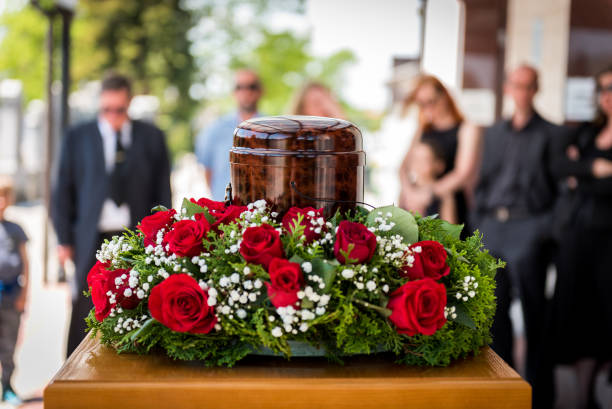
The Aesthetics of Preparation and Family Devotion
The White Procession: Community Solidarity in Motion
Cultural Feature
Traditional Medium
Cultural Significance
Attire
Simple White Cotton Garments
Symbolizes social equality, peace, and community unity.
Resting Platform
Handcrafted Local Bamboo
Demonstrates local craft and eco-friendly design.
Wreaths
Fresh Marigolds, Lotus, and Roses
Expresses high regard, warmth, and artistic beauty.
Herbal Preparations
Herbal Extracts and Rose Oils
Provides sensory elegance and traditional purification.
Subcontinental Diversity in Farewell Customs
Wilson Garden Electric Crematorium Regardless of whether the final rites use natural earthen placement or traditional fire settings, the focus remains steadfastly on the cultural heritage of returning the physical form to nature's fundamental components with complete respect for the earth and ancestral eco-friendly customs.
Communal Hospitality and Memorial Traditions
Summary: Timeless Values of Community Honor
Dead Body Transportation in Pune The funeral customs of India offer a rich tapestry of social values, artistic traditions, and profound community solidarity. By handling personal farewells with public grace and communal support, these traditions showcase the strength of human connection and collective support. With delicate floral craft, peaceful white processions, distinct regional arts, and open-door hosting, communities across India pay magnificent tribute to their elders while building stronger, more united neighborhoods for the future.